Thursday, 3 January 2019

TravelCon 2019: New Speakers and Info!

TravelCon 2019 in Boston, MA
Posted: 1/3/2019 | January 3rd, 2019

Are you looking to get into the travel media industry?

Would you like to take your career to the next step?

Well, good!

Because it’s time to talk TravelCon (again).

TravelCon is a conference to help travel creators develop business and professional skills in order to succeed in the travel media space. TravelCon is where you go for hands-on photography and writing lessons, and practical, actionable advice from the best in the industry on marketing, making money, developing long-term partnerships with brands, and so much more.

This year, TravelCon is going to be held in Boston, MA, June 27–29, 2019 at the Westin Copley.

Over the last few months, we’ve been putting the event together more and more and, today, I want to share some of our plans!!!

First, let’s talk about our speakers. This year we have an incredible lineup of keynoters, panelists, and workshop leaders to help you develop your career in the industry. Check out this awesome crew:

Keynote Speakers

Breakout Session Speakers

Kristin Addis

Be My Travel Muse

Faith Adiele

Author, Meeting Faith

Kirsten Alana

Photographer

Gary Arndt

Everything Everywhere

Gloria Atanmo

The Blog Abroad

Derek Baron

Wandering Earl

Michael Booth

Author, The Almost Nearly
Perfect People

Carol Cain

Girl Gone Travel

Edin Chavez

Shut Your Aperture

Jason Cochran

Frommers

Mike Corey

Fearless & Far

Heather Davis

Globetrotting Mama

Jessica Festa

Jessie on a Journey

Rachel Friedman

The Good Girls Guide to
Getting Lost

Don George

Author, The Way of Wanderlust

Catharine Hamm

Los Angeles Times

Evelyn Hannon

Journey Woman

Clay Hebert

Branding Expert

Jordan Harbinger

The Jordan Harbinger Show

Andrew Hickey

Scott’s Cheap Flights

Spud Hilton

Travel Writer

Mike & Anne Howard

Honey Trek

Rainer Jenss

Family Travel Association

Johnny Jet

Johnny Jet

Matthew Karsten

Expert Vagabond

Stefan Krasowski

Rapid Travel Chai

Gary Leff

View From The Wing

Lebawit Lily Girma

Sunshine and Stilettos

Kent Johnson

Black & Abroad

Jeremy Jones

Living the Dream

Silvia Lawrence

Heart My Backpack

Kristin Luna

Camels & Chocolate

Eric Martin

Black & Abroad

Brian Massey

Conversion Scientist

Laurence Norah

Finding the Universe

Sean Ogle

Location Rebel

Sol Orwell

Examine.com

Annette Richmond

From Annette

Sam McRoberts

VUDU Marketing

Erick Prince

Minority Nomad

Kristen Sarah

Hopscotch the Globe

Patricia Serrano

Fresh Traveler

Thomas Swick

Writer, Unquiet Days

Nadine Sykora

Hey Nadine

Brent Underwood

Brass Check

Siya Zarrabi

Hopscotch the Globe

Ricky Zhang

Prince of Travel

Pretty awesome list, right?

These speakers are experts in their fields and are going to share their successes — and failures — so you can start making money doing what you love. I brought in people from inside and outside of the travel sphere because both have valuable things they can teach us!

And we’re not done yet. We’ll be announcing our final batch of speakers sometime in February. There are still a few more talks and speakers to confirm regarding LGBT travel, sustainability, luxury travel, family travel, and more. Stay tuned!

Second, this year we’re making lots of improvements to the event!

I don’t want to give away too many of our secrets (because that would ruin the surprises we have planned) but some of the improvements we have made over last year include:

  • An opening night “round the world” happy hour bingo
  • Appointments with sponsors throughout the event (not just the last day)
  • Spreading our meetups over two days
  • Scheduled book signings with our speakers
  • A musical guest
  • Longer lunch and coffee breaks
  • Some trip giveaways

That’s just the start! As the months go by, we’ll be announcing more speakers, workshops, and brands that will be attending.

To meet demand for the event (we sold out last year), we’re also increasing the number of available tickets to 800.

Ticket are currently $399. With your ticket, you’ll get:

  • All the keynotes and sessions
  • Workshop registration
  • Networking events
  • Marketplace appointments
  • Expo hall access
  • A virtual pass (Can’t make a talk? Don’t worry. You get all the recordings for free!)
  • Evening parties
  • Any included lunches

Additionally, we have a 60-day refund policy and 30-day transfer policy. I hate conferences that don’t let you get a refund because I know how fluid things are in travel. Life gets in the way sometimes.

So don’t worry if something changes. You’ll be able to get a refund or transfer your ticket without any worry!

We’ve currently sold over 400, so if you’re interested, get them while they last, as we will definitely sell out again! Prices also go up at the end of the month.

So click here to join us in Boston for the best and biggest travel media event of the year!

Can’t wait to see you there!

– Matt

The post TravelCon 2019: New Speakers and Info! appeared first on Nomadic Matt's Travel Site.


from Nomadic Matt's Travel Site https://www.nomadicmatt.com/travel-blogs/travelcon-2019/

Is Chimping in Photography Good or Bad?

Chimpanzee Crop

Photographers are pretty good at coming up with creative, self-deprecating insults. From GAS (gear acquisition syndrome) to pixel peeping, just look on any photography forum today and you’ll find a new term that makes you smile and cringe at the same time. One of my personal favorites is chimping – a word that describes photographers who review their photos too frequently, often at the worst of times. But perhaps chimping doesn’t fully deserve the bad reputation it has.


from Photography Life https://photographylife.com/is-chimping-in-photography-good-or-bad#utm_source=rss&utm_medium=rss&utm_campaign=is-chimping-in-photography-good-or-bad

Wednesday, 2 January 2019

How I Research My Solo Travel Destinations

Kristin Addis in Thailand
Posted: 1/2/2019 | January 2nd, 2019

Kristin Addis from Be My Travel Muse writes our regular column on solo female travel. It’s an important topic I can’t adequately cover, so I brought in an expert to share her advice for other women travelers to help cover the topics important and specific to them! In this month’s article, she shows you how she researches and plans her trips!

What’s the best way to go about researching your next trip when all of the decisions will fall to you as a solo traveler? Where should you go, what should you do, how will you navigate in your new surroundings? Where do you even begin to get answers to these questions?

Over the past six years, I’ve been mostly nomadic, traveling solo for the bulk of that time. Since I’ve been chief decision-maker for all of those trips, there are tricks I’ve learned along the way to help me save time in the long run, avoid spending too much and getting scammed, and make sure I know my way around before I even touch down.

The following is a step-by-step system to help you research your travel destinations. Most of these tips only take a few minutes but could save you big-time in terms of money, headaches, and confusion.

Ready to plan the solo trip of a lifetime? Let’s jump in!

1. Initial online research

I get a lot of my ideas from Instagram. I mostly follow travel accounts, and when I see a place that looks particularly beautiful, I use Instagram’s bookmark feature and put it in an album. I have one for Japan, one for New Zealand, and so on. When decide to travel to one of those destinations, I look back through my albums and consider if my budget, the time of year, and the activities I want to do there are all in alignment. (I suggest taking a look at Pinterest boards for those destinations as well.)

Using Instagram to research travel destinations

Chances are you already have a few destinations in mind and you just want to make sure that they will work for you. Evaluate the cost of traveling, think about the season it will be there, and make a decision based on those factors.

If you’re really not sure where to start, I have a list of some of the best countries for solo female travelers.

(I also take to heart word-of-mouth suggestions. It’s what led me to Mozambique and Patagonia. If someone I know has really loved a place, then I add it to the top of my list.)

2. Is the destination good for solo travelers?

Kristin Addis in Iceland
After six years of solo traveling, I’ve learned that the following criteria are almost guaranteed to produce a more social experience for solo travelers:

  • A well-known activity/draw: Is there a reason why people come to this place? Is it famous for surfing, rock climbing, scuba diving, or something else? When this is the case, you are much more likely to find other solo travelers participating in that experience.
  • A festival: If there’s some kind of cultural event or festival at the time you’re visiting, you can bet that a lot of other travelers will be coming through as well, so you are unlikely to be lonely.
  • Popularity: While I love off-the-beaten-path travel, I also know that the farther away from tourist centers I head, the more likely it is that I will spend more time alone. If I know I want to have a more social trip, I will head to places that are popular, like Thailand or Iceland. If you’re not sure where to start, this list has the most visited places in 2018.

Next, I try to mitigate the possibility of being the only solo traveler there by researching whether I’m about to head to a honeymoon destination or hotel. That said, I had fantastic experiences in Maui and Bali, which are usually thought of as couples’ destinations. I believe that as long as you pick a social activity that attracts other solo travelers, like surfing or scuba diving, you won’t feel like the odd one out.

So if you want to go somewhere beachy, don’t rule it out automatically just because you’re afraid you’ll be the only single person there. Unless you’re going to a truly tiny place, chances are there are parts of whatever country or island you’re looking at that will be less “romantic” and more social.

The only place I can think of off the top of my head that might truly be primarily couples-only is the Maldives, and even then you can still head to other islands, or to surf resorts, or do a live-aboard dive experience, so that your trip will be less lounging on the beach and more about meeting people.

3. What is the visa situation?

Visas are the next thing I want to know about before I get too far into planning. Do I need a visa to visit this country? Is that something I need to apply for ahead of time? What does it cost?

Wouldn’t it be annoying to plan a trip to India or China only to realize you can’t get the visa in time? Wouldn’t it be better to get a longer visa ahead of time, like for Thailand or Indonesia, instead of having to do visa runs, which are required in many countries to extend a typical 30-day tourist visa, if you plan a longer trip?

I do visa research on Google and the US Department of State website and/or the foreign embassy website, and encourage you to do the same for your destination to see what the visa requirements are for you.

4. What is there to do there?

Kristin Addis in Japan
Now it’s time to figure out what I want to do there. In some cases, I already know, because I picked the place based on its good diving or great hiking. But in some cases, I really have no idea, other than it fits my budget, it’s the right time of year, or I just want to go somewhere warm.

For example, I recently wanted to know what the best things to do in Tokyo were. So I just typed that exact question into Google, found some appealing options, and saved places in Google Maps with “want to go” flags for later.

Using Google Maps to plan trips

(In some cases, there’s not a lot of information online. That’s when you know you’ve found a true adventure, someplace there will not be that many other tourists. I love this kind of trip too, but you may have to make peace with the fact that you will be doing a lot of recon on the ground. This is the point at which I encourage you to ask yourself what your tolerance is for uncertainty and whether or not that’s what you desire out of your trip.)

5. Downloading offline maps

Now that I have put markers into Google Maps for the places I want to go, I make sure that I can access these without an Internet connection, just in case. I usually save Google maps offline; if I’m going to be hiking, I really like maps.me offline maps as well. It’s great to have both downloaded while you are still at home and have a strong internet connection, so that you know they’ll be accessible when you arrive.

downloading offline maps

6. Booking the hotel

When it comes to accommodation, I almost always use either booking.com or Airbnb. I type in my destination and then I go directly to the map function. Which place has the best reviews at the best price and is going to be closest to the things I’m interested in seeing or doing? Or if I know I will be there only for a short while and will fly or take the train thereafter, which lodging is going to be the most convenient to catch that flight or train?

researching your hotel

Generally, hostels will be more social than hotels, followed by Airbnb, unless you stay with a host who wants to show you around, which I wouldn’t count on. That said, you can look to couchsurfing if you want to be able to hang with your host – just read the reviews thoroughly first and be in full communication to make sure it’s a comfortable situation.

It also depends what part of the world you’re in. Bed-and-breakfasts might be quite social in South America, but a lot less so in Europe. I almost always read reviews to help me make my final decision.

I also don’t pressure myself to book a place for my entire stay. I want to be able to change my mind. Unless it’s high season (you can Google this too, but generally high season is when the weather is best) or there’s a holiday that I know is going to make it hard for me to move, I will just book a few days and then decide to move on or stay.

7. Research the best way to get to the hotel

Next I weigh my transportation options. Does the country I’m going to have Uber? Is it better to take the train? Is there an airport hotel shuttle, or bus from the airport to my hotel? In many cases, the hotel will provide this information in their correspondence with you or on their website. If it’s not listed, feel free to contact them and ask.

I also find TripAdvisor, Lonely Planet Thorntree, and Nomadic Matt’s forums are helpful because people are always asking this exact same question.

8. Research scams and dangers

Unfortunately, airports are the epicenter of tourist scams in many countries. The Denpasar airport in Bali, Indonesia, is one of the worst. In order to get out without getting scammed, you would need to know that the SIM card they are selling is marked up about 10 times what it would be once you leave the airport. You would also need to know that they do the same thing with taxi prices. (As a general rule, get the names of reputable companies before you go, never get in an unmarked taxi, and always know what the price of your ride should be before you get in. Google will help you with all of this.) And you would need to be aware that you can book an Uber for much cheaper if you meet the car at the departures level and ignore everyone who tries to tell you Uber “isn’t allowed” there.

When I fly into Bali, I just walk right through the mayhem with my head held high, because I have already done my research.

To get this info, I Google the airport name along with the word “scam” to see what other travelers have experienced, and then I know to be prepared when I get there. This removes so much stress when arriving in a new country.

9. SIM cards

I also research what a SIM card should cost, whether the airport is a good place to get it or not, and which company is the best. Again, Google and online forums are usually pretty helpful with this information.

I always travel with an unlocked phone so that I can get local SIMs. They are the cheapest method for staying connected, sometimes just a few dollars per gigabyte, and it simplifies getting to the hotel by allowing me to book an Uber immediately. Most of the time, it makes sense to buy a SIM card at the airport if you can, although sometimes, like in the aforementioned case of Bali, it’s much better to wait until you get to town. If you research this beforehand, you’ll already know.

It’s worth mentioning that you cannot count on there being reliable airport Wi-Fi. So try not to leave your taxi or SIM card research until you’ve already landed, because then it could be too late.

10. Final step: See if you already know anyone there

Kristin Addis in South Africa
Finally, I sometimes post on my personal Facebook page to see if I have any connections at my destination. In the case of South Africa a few years ago, I met up with a friend of a friend, which was the impetus for one of the most friendly and social traveling experiences I’ve had. You never know who you might know and where.

You can also look into Couchsurfing, even if it’s just for a social event rather than actually staying with the person. There are also plenty of Facebook groups these days for connecting with others. Some are regional, like Backpacking Africa, or you can join one specifically for solo female travelers, like the BMTM Solo Female Traveler Connect.

Though I didn’t always know to do all of this research prior to my trips, after a few blunders, I’m glad to have finally learned what’s important to know ahead of time. Though it might seem like a lot of research, these tips can help you avoid overspending and to have a more relaxed and easy trip.

What are some of your favorite ways to research before you travel solo?

Conquering Mountains: The Guide to Solo Female Travel

conquering mountains: solo female travel by kristin addisFor a complete A-to-Z guide on solo female travel, check out Kristin’s new book, Conquering Mountains. Besides discussing many of the practical tips of preparing and planning your trip, the book addresses the fears, safety, and emotional concerns women have about traveling alone. It features over 20 interviews with other female travel writers and travelers. Click here to learn more about the book and start reading it today!

Kristin Addis is a solo female travel expert who inspires women to travel the world in an authentic and adventurous way. A former investment banker who sold all of her belongings and left California in 2012, Kristin has solo traveled the world for over four years, covering every continent (except for Antarctica, but it’s on her list). There’s almost nothing she won’t try and almost nowhere she won’t explore. You can find more of her musings at Be My Travel Muse or on Instagram and Facebook.

Book Your Trip: Logistical Tips and Tricks

Book Your Flight
Find a cheap flight by using Skyscanner or Momondo. They are my two favorite search engines because they search websites and airlines around the globe so you always know no stone is left unturned.

Book Your Accommodation
You can book your hostel with Hostelworld as they have the largest inventory. If you want to stay somewher eother than a hotel, use Booking.com as they consistently return the cheapest rates for guesthouses and cheap hotels. I use them all the time.

Don’t Forget Travel Insurance
Travel insurance will protect you against illness, injury, theft, and cancellations. It’s comprehensive protection in case anything goes wrong. I never go on a trip without it as I’ve had to use it many times in the past. I’ve been using World Nomads for ten years. My favorite companies that offer the best service and value are:

Looking for the best companies to save money with?
Check out my resource page for the best companies to use when you travel! I list all the ones I use to save money when I travel – and I think will help you too!

The post How I Research My Solo Travel Destinations appeared first on Nomadic Matt's Travel Site.


from Nomadic Matt's Travel Site https://www.nomadicmatt.com/travel-blogs/research-solo-travel-destinations/

How to Be Less of a Traveling Asshole in 2019

Everyone likes to think that they’re a good traveler. But are you as good as you think you are? Probably not.

“How dare you call me an asshole?! I’m one of the good ones!”

I mean, we’re all assholes. We all cause damage. There’s no such thing as a perfect traveler or trip.

We can all strive to do better. 

I often say that the best thing the travel blogging community has done is raise awareness about elephant rides. Elephant rides are universally abusive to the animals — there’s no such thing as a “good” elephant ride — and the many pieces bloggers wrote about this issue led to major tour companies deciding to remove elephant rides from their trips.

That was a good thing. That should be celebrated.

But the single worst thing the travel blogging community does is contribute to overtourism. I feel like Instagram was an iffy kid turned bad, the Kevin Khatchadourian of social media, if you will. Sure, maybe some photos inspired people to visit emerging destinations, but far more people were encouraged to travel to the same overtouristed destinations, the same busy photo spot, and take the exact same photo with themselves in the same spot.

And despite the emergency of overtourism, that doesn’t stop bloggers from continuously writing guides to Iceland, Bali, Barcelona, and other places that have already been covered to death and don’t need to encourage any additional tourism.

But there are ways that we as travelers — both leisure travelers and those of us who travel for a living — can make a better impact on the communities we visit.
Reconsider how often you stay in Airbnbs.

In the past decade, no company has upended the travel industry as much as Airbnb. Suddenly it became possible to book someone’s apartment and stay there instead of a boring hotel. It was local! It was authentic! It was cool! And soon Airbnb became more popular than ever.

So how is this a problem? Landlords realize can make much more money on short-term rentals to tourists and take their apartments off the housing market. Over time, less and less housing is available and prices are driven skyward. This is exacerbated in areas that already have housing shortages.

Many cities have instituted laws around Airbnb. In New York, where I live, you can’t stay in an Airbnb unless the leaseholder is present or you’re staying for more than 30 days. This means that you can’t just book your own apartment in the East Village for a random weekend — it’s illegal.

New Orleans has a similar system, and all Airbnb rentals need to be listed on a government website and have a permit displayed in a window.

The big problem is that these laws are very rarely enforced. They’re more vanity laws than anything else.

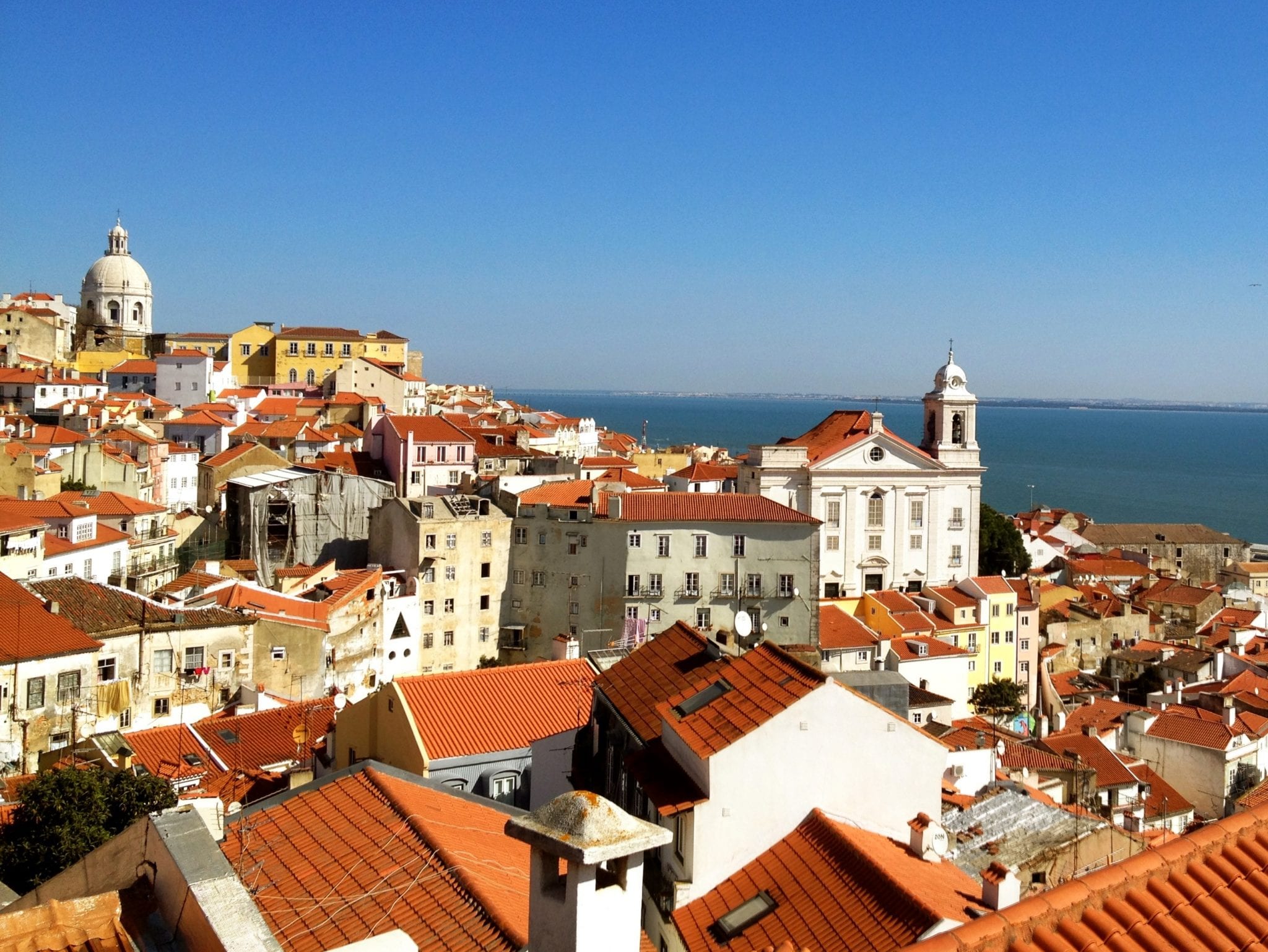
And in countries where there are no laws, housing can be out of control. I’ve heard horror stories about Lisbon in particular.

So what’s the solution? A simple one — stay in a hotel, hostel, or actual B&B! That will prevent you from impacting the local housing market.

If you’re still set on staying in an apartment, you can always rent a room in someone’s home as opposed to a whole place. Some people might feel okay renting a lived-in apartment when the owner is away, rather than renting a company-owned apartment. And Couchsurfing still exists!

How I’m walking the walk: I haven’t stayed in an Airbnb rental since 2016. I live by New York’s rules — and since I don’t like staying in someone’s spare room, I default to hotels now.
Stop photographing children.

When I first started traveling long-term in Southeast Asia, I had no qualms about photographing children. They were adorable and often begged me to take pictures of them — why shouldn’t I share that with the world?

Then when I went to Guatemala in 2015, I learned that the Mayans ask people not to photograph children due to the risk of child trafficking. When I heard that, my heart dropped. All along, I was doing something that could risk children being kidnapped. That’s when I stopped taking pictures of them.

Since then, I’ve also become more privacy-focused, both for myself and for children. I feel like kids should have the right to decide whether or not their pictures are on the internet, and most children are too young to consent to that. That’s why I haven’t shared any photos of the babies in my life. Even if the parents say it’s fine, it’s not fine with me. Additionally, how would I feel if someone took a photo of my kid and put it up on the internet?! That’s so creepy.

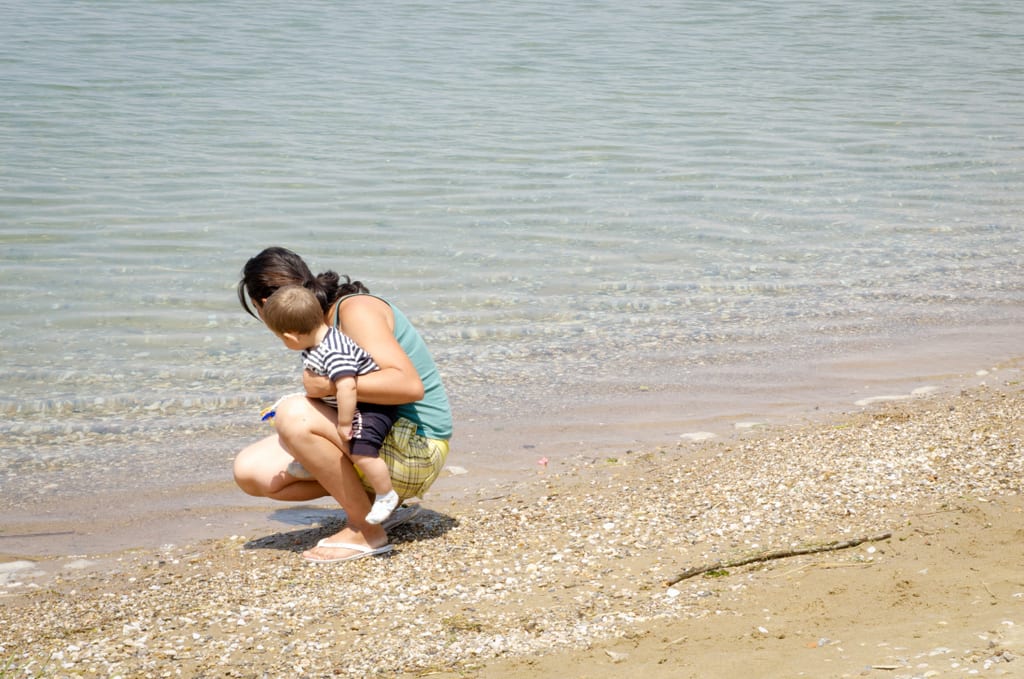
Do you really need to photograph children? Does it really add to your trip to do that? How does it make someone’s life better by putting it on the internet? These are questions that you should ask yourself.

How I’m walking the walk: I no longer publish photos of children on my site or any social media platform unless 1) they’re a small part of a crowd scene or 2) their face is obscured. If I want to take a photo for my personal use, I always ask the parents or caregivers for permission.
Be very picky about animal activities.

Animal encounters are prime Instagram material. Who will be able to resist a photo of you cuddled up with tiny little tiger cubs?

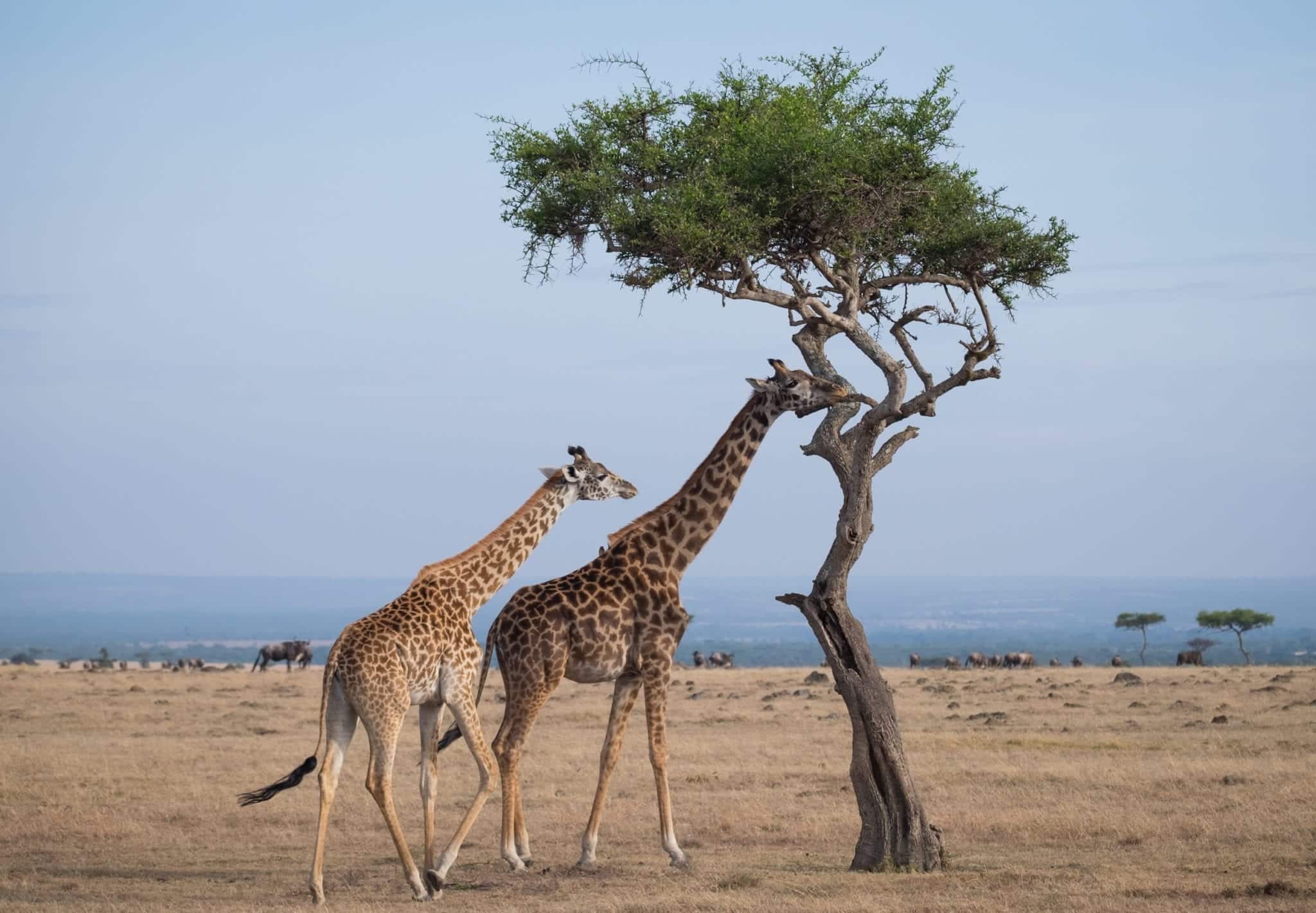
It turns out that many of these activities are abusive. Elephants are trained to give rides by being whipped until their spirit is destroyed. Up-close encounters with tigers and cheetahs only works because the animals are sedated. Dolphin shows and swimming with dolphins involve keeping a wild animal in captivity.

A good rule is to stick to activities that have you observing animal wildlife, rather than interacting with the animals themselves. Safari? Great. Whale watching? Awesome. Snorkeling with fish, keeping a safe distance from coral and wearing reef safe sunscreen? Cool.

How I’m walking the walk: These days, my animal activities are non-interactive: primarily safari and wildlife watching. Occasionally I’ll do something like horseback riding.
Consider offsetting your flights.

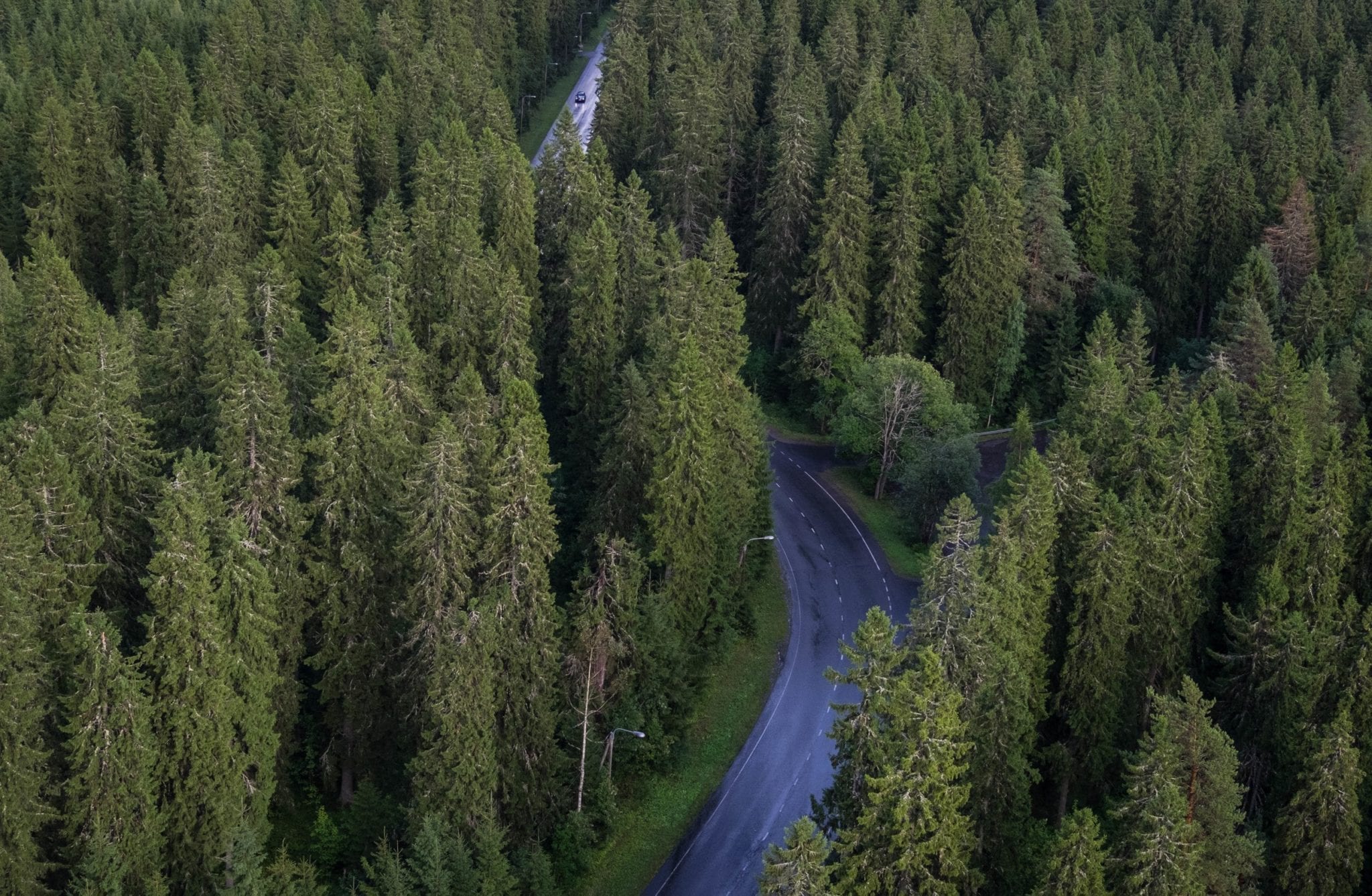
Even if you’re living a fairly low-impact lifestyle — not having biological children, living in an apartment, not owning a car, following a vegan diet — your carbon footprint skyrockets once you add in long-haul flights.

But it’s possible to offset your flights. To do this, you buy carbon credits and a company either plants trees or invests in energy-saving businesses. For example, the money could go to a landowner to keep the trees from being bulldozed.

It’s not enough to simply reduce in this case — our climate emergency is severe and we need to neutralize our impact.

As far as research goes, I found this site to be a good starting point.

So far I’m really liking CarbonFund.org — they plant a tree for every dollar you give, and without doing any crazy calculations, it looks like offsetting my carbon footprint would be around $500 per year.

How I’m walking the walk: I haven’t yet, but this is my big goal for 2019.

Make small but meaningful differences in your diet.

One of the best ways to lower your carbon footprint is reduce your consumption of animal products, especially beef. This doesn’t mean you need to be a vegan — but getting into a habit of eating less meat than usual can make a surprisingly large difference.

One nice thing about this is that the world would change enormously if everyone made small changes. Even giving up meat one day per week can make a big difference.

Additionally, eating local makes an enormous difference on your carbon footprint. Back in the day, having New Zealand mussels flown into your Las Vegas restaurant was a point of pride — but today, many restaurants are eschewing the old ways to emphasize local cuisine, the menu changing with the seasons.

You can find high-end restaurants specializing in local cuisine everywhere you go — a recent favorite of mine was Spice in Cleveland, where they made borscht from a berry that is only in season for 10 days — and lower-end local restaurants almost always source locally available produce.

How I’m walking the walk: As someone who eats mostly paleo, this is more of a challenge for me, but I’ve shifted red meat to rare occasions and most of the time my animal products are organic free-range eggs and canned wild salmon with occasional chicken or pork. It’s not ideal, but it’s a huge difference from how I was eating before.

Read books written by locals, not just travelers.

Almost every time you see a list of “best books about [non-western region],” most of the books on the list are travel memoirs written by privileged people. No matter how populous the country is or how rich a literary tradition it has, books by wealthy white male visitors dominate the list.

Oh, and if it’s a list of books about Africa, J.M. Coetzee’s Disgrace will almost inevitably be on it. (This is something I vent about a lot. I swear nobody has actually read Disgrace, because it’s about men attacking and raping a woman in the South African countryside. It’s a beautifully written book, but it’s brutal and it plays into racist stereotypes. You would be insane if you gave someone that book to inspire an Africa trip. I would only give it to people whom I wanted to scare away from ever visiting Africa.)

Reading a book by a travel writer can provide invaluable insights no local could, particularly if the work is by a talented author or a work of journalism. But the problem is when we read only these books and discount the stories told by local people.

Reading a book by a local while you’re in the destination can add so much dimension to your visit. Last year I loved reading Ngugi wa Thiong’o in Kenya and Murakami in Japan. Both showed me so much more about the country than I could have learned on their own.

Bonus: Read books written by women and people of color. Even in 2019, travel writing is still heavily dominated by white male authors. These are the authors who get the book deals, big marketing budgets, and sellers that will get their books on shelves in front of you. Most books published by women get the Eat, Pray, Love happy-memoir-with-a-pink-cover treatment, even if they’re groundbreaking works of journalism, like Suki Kim’s undercover assignment in North Korea, Without You, There Is No Us.

How I’m walking the walk: I read constantly, and while I actually don’t read much travel writing in my free time, I always make an effort to read works by authors of color.
Spend your money close to the ground.

We live in a world where most of the wealth is controlled by few. How do you even rise up against that? It’s daunting, but one way to help locals is to spend your money close to the ground.

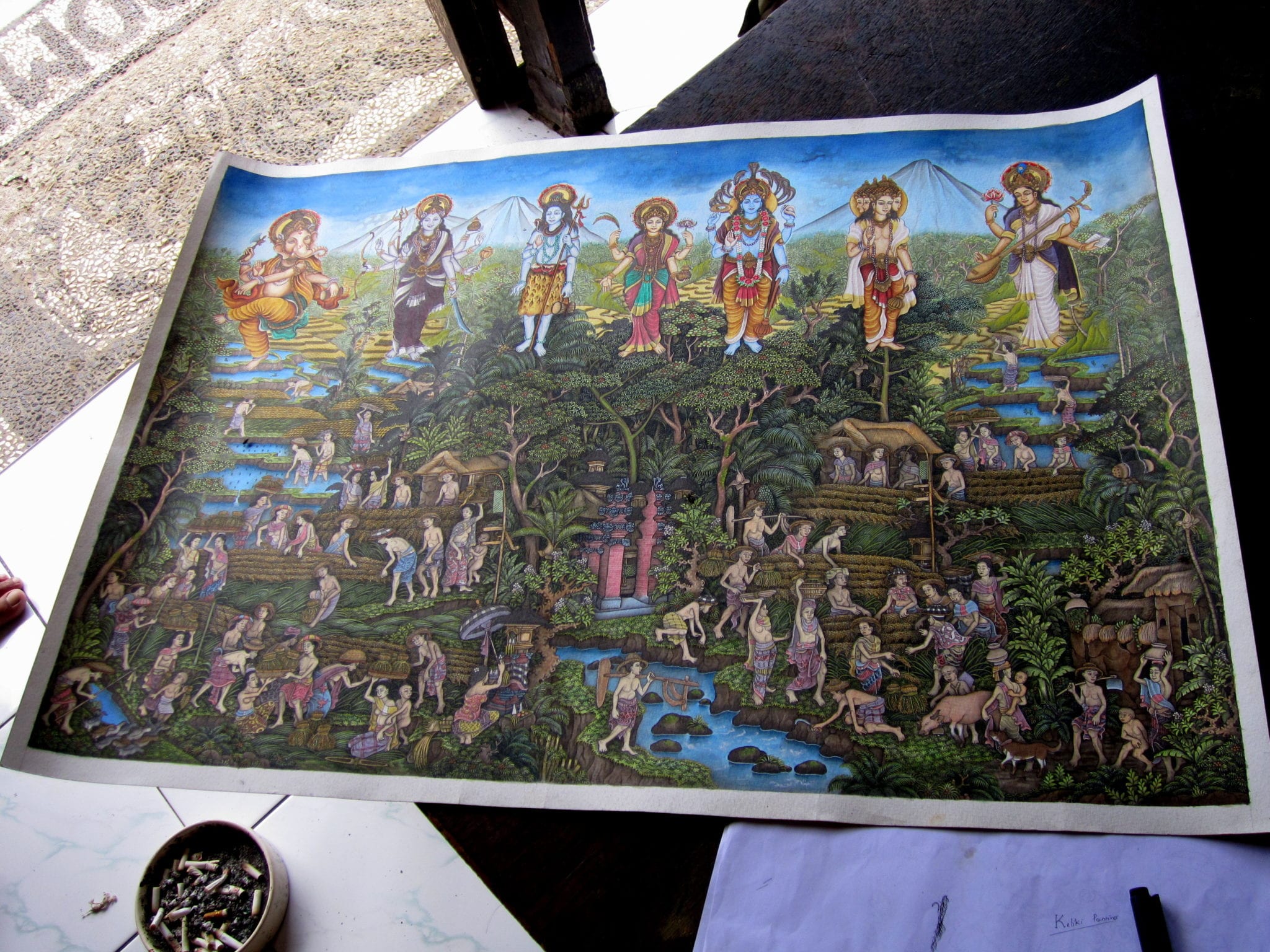
Are you buying souvenirs? Buy from the artist directly. Yes, those same beaded bracelets will be for sale in the airport at the end of your trip, but the artist is only making a fraction of what they make when you buy from them.

This goes for local businesses as well. Consider staying in a locally owned hotel rather than the local outpost of an international hotel brand. Locals will make far more money that way.

How I’m walking the walk: I don’t buy many souvenirs on my travels, but when I do, I try to buy direct from the artist when I can.
If you’re a blogger, influencer, or someone with a platform, please consider your impact on overtourism.

What is overtourism? It’s when a destination becomes so overwhelmed with tourism that it begins to make a negative impact on the destination.

Buzzfeed recently wrote about overtourism and while I don’t agree 100% with this list, they got a lot of them right. Iceland? Overtouristed. Barcelona? Severely overtouristed. Koh Phi Phi? Painfully overtouristed. Venice and Machu Picchu? Overtouristed and making great efforts to limit visitors.

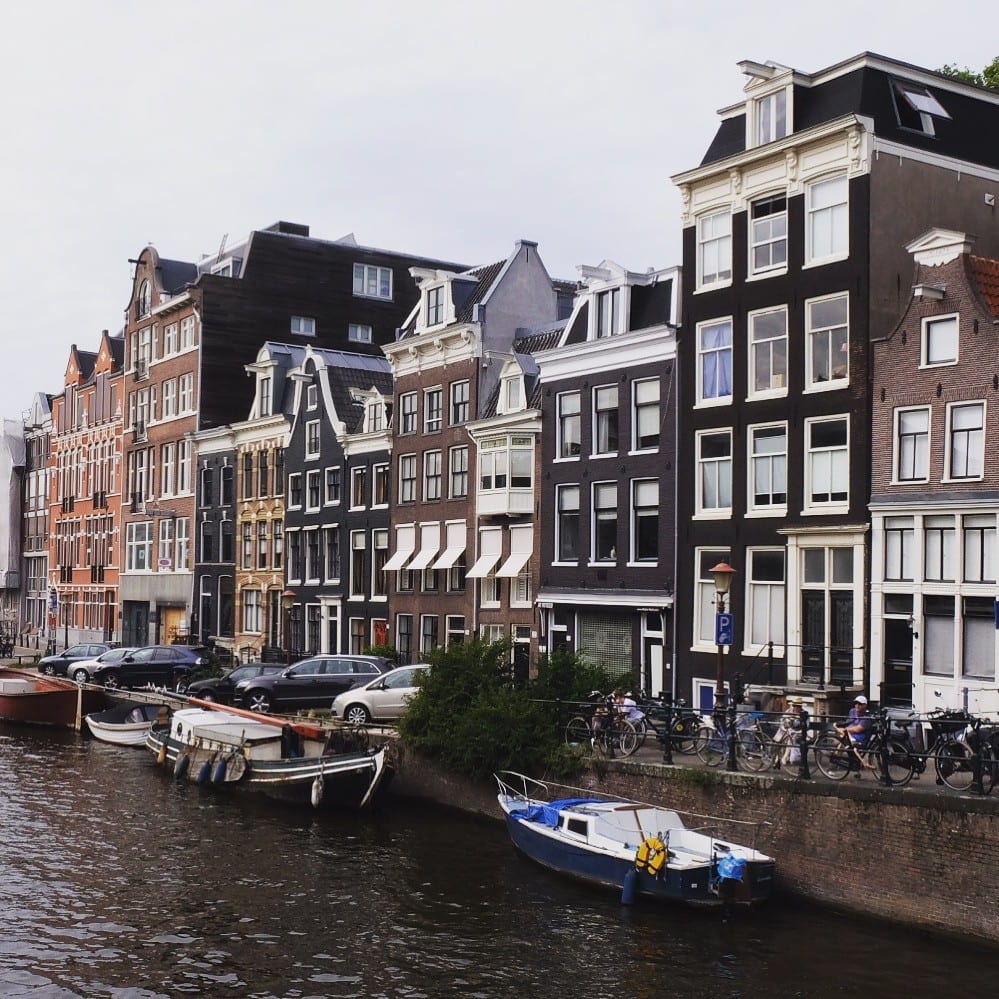
And then there’s Amsterdam. I have a ton of friends living in Amsterdam. More than half of them are considering moving because the tourist crowds have made Central Amsterdam unlivable. And so they look to The Hague, or Haarlem, or parts of Amsterdam that remain somewhat untouched. It’s a shame.

These are not the destinations that we should be encouraging people to visit.

I’ve said it before and I’ll say it again: There’s no reason for travel bloggers to go to Iceland anymore, but every time you turn around, another blogger is in Iceland. Every rock has been unturned, every subject has been written about, and anyone wanting to travel to Iceland can find a multitude of excellent blog posts with a cursory Google search. Iceland doesn’t need to attract people who weren’t planning a trip in the first place.

There are so many other places you could go.

How I’m walking the walk: I am going out of my way to avoid overtouristed destinations in 2019. I won’t take any campaigns in those destinations. If I somehow end up needing to go there (say, if I have a 24-hour layover in Iceland due to a dirt-cheap flight), I won’t publish anything about it.
Overall, take time to think about your actions.

When planning a trip, I find that it’s a good rule to ask yourself a few questions:

  • Why do I want to do this?
  • How will this affect locals?
  • How will this affect the planet?
  • What will happen if dozens of people follow my example?

For example, if you’re set on staying in an Airbnb in a city impacted by overtourism, try to figure out your motivation. Do you want to stay there because it’s “cool”? There are more and more cool hotels springing up, especially in cool neighborhoods.

Is it because there are no hotels in the neighborhood? You can get a hotel in a different neighborhood nearby and take public transportation to the cool neighborhood.

Is it because it’s cheaper? Check out hostels — more and more hostels are going high-end and offering quality private rooms that rival what you can find in hotels.

What this all comes down to is putting aside your personal wants for the greater good.

I’ve shared earlier versions of this post with my fellow bloggers, and the reaction is usually explosive. Several people respond with, “Oh, so now I can’t go where I want to go because you say so?”

Dude. Do what you want. You have the right to cuddle with a sedated tiger and plaster the photos all over Instagram, and I have the right to cut you off and never read anything you create again. Louis C.K. has the right to make fun of children who watched their friends get murdered, and guess what — he will end up on the redneck circuit for the rest of his comedy career as a result. Actions. Consequences.

It’s the beginning of a new year. It’s time to take stock and think about how we can improve. I think this list is a good place to begin.
How do you try to be less of an asshole while traveling?

The post How to Be Less of a Traveling Asshole in 2019 appeared first on Adventurous Kate.


from Adventurous Kate https://www.adventurouskate.com/how-to-be-less-of-a-traveling-asshole-in-2019/