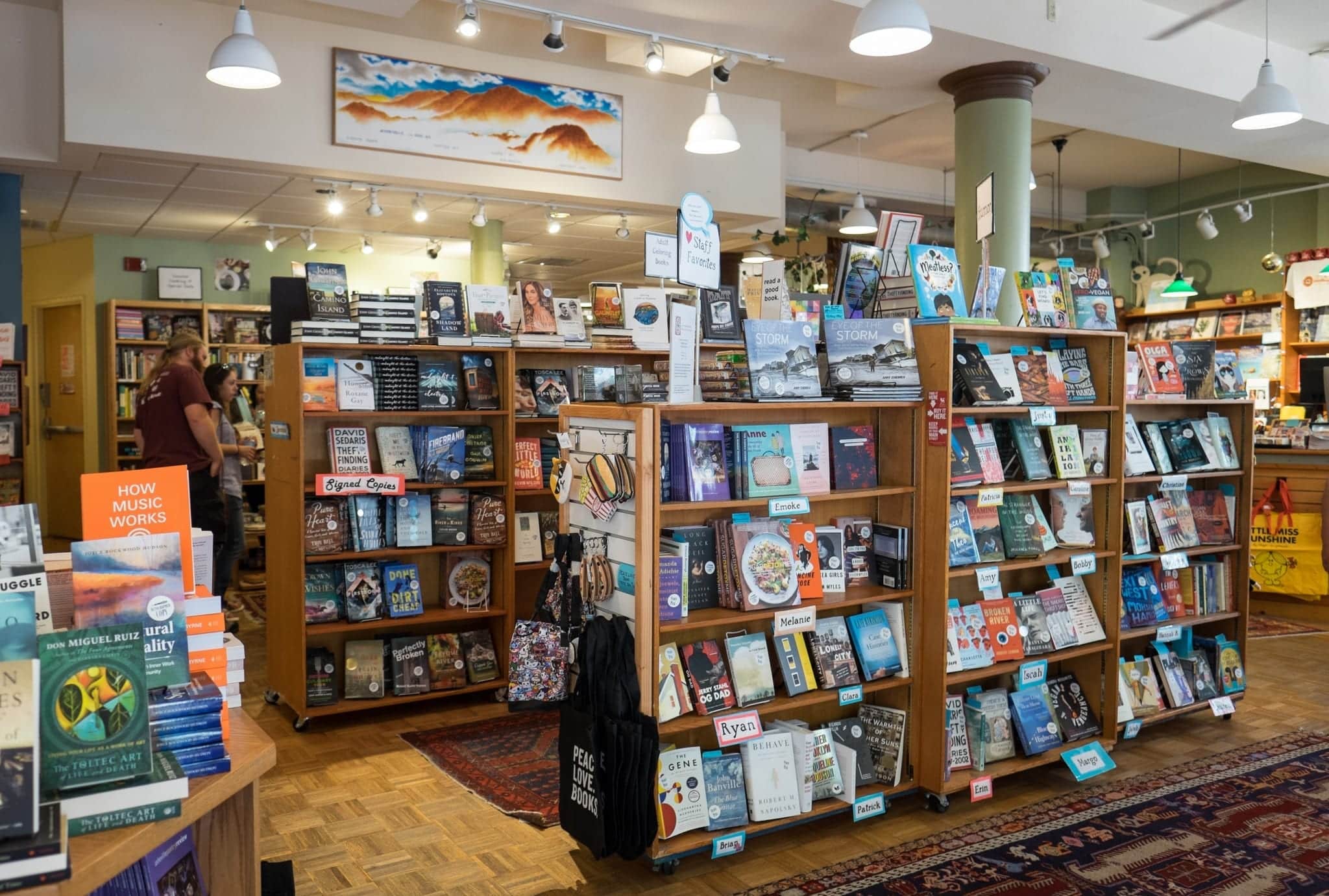
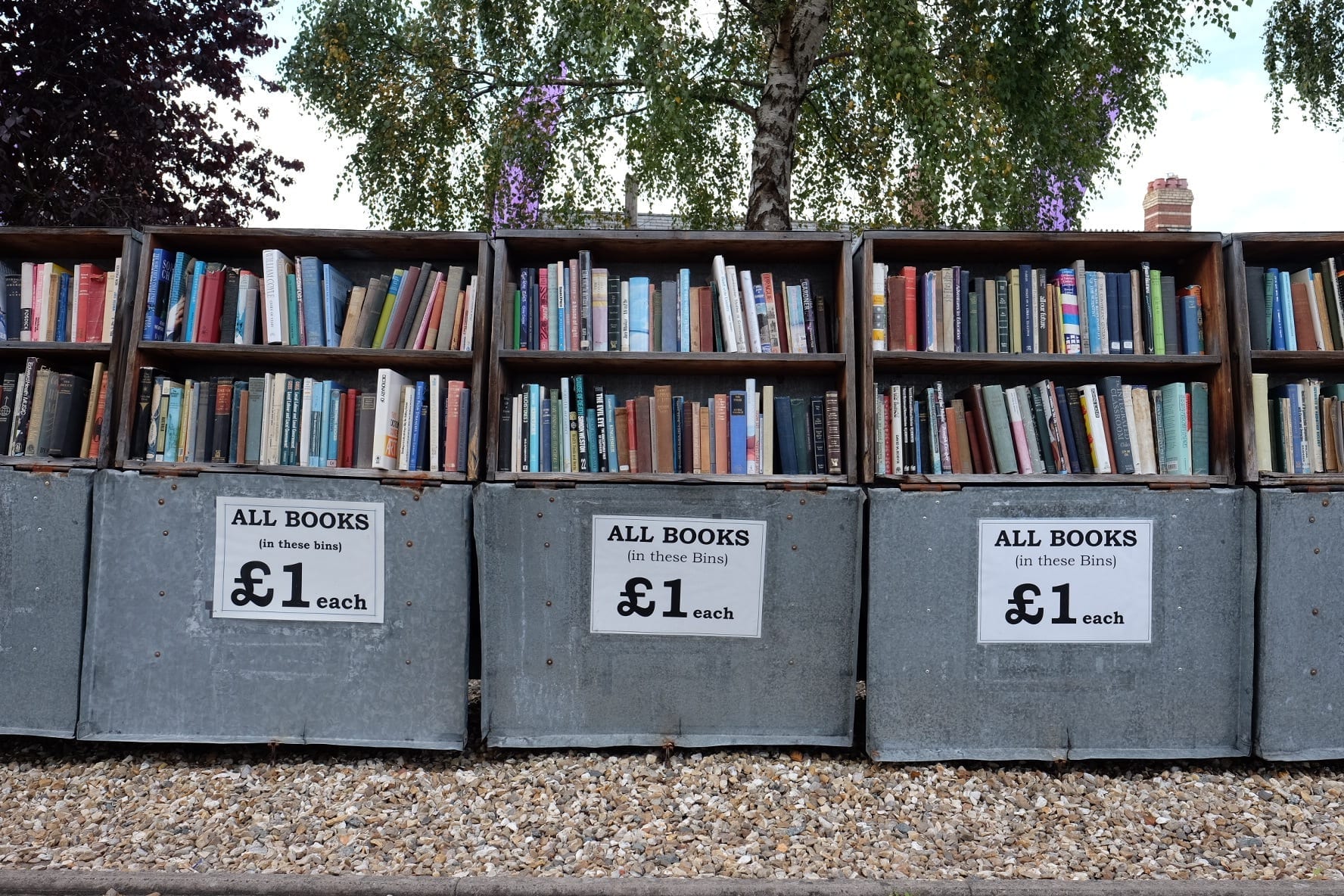
Every other year, I take on an ambitious 52-book reading challenge. This year, I want to do something easier with less pressure — and I’d like you to join me. How about we all do a simple reading challenge together?
The Challenge: 12 Books in 2018
One per month. I don’t expect everyone to read upward of 50 books in a year; I think 12 books is fairly achievable for most busy people.
Now, here’s the twist: they all need to be themed. Because reading twelve books is great, but reading twelve books with the same theme is fun and gives you continuity for 2018!

Theme Suggestions
Choose whatever theme you’d like, but I have some suggestions:
12 books by women of color. I recommend Little Fires Everywhere by Celeste Ng, Homegoing by Yaa Gyasi, and Swing Time by Zadie Smith.
12 memoirs by people you admire. I recommend Born Standing Up by Steve Martin, Hunger by Roxane Gay, and The Autobiography of Malcolm X.
12 books about privilege in America. I recommend Between the World and Me by Ta-Nehisi Coates, Evicted: Poverty and Profit in the American City by Matthew Desmond, and The Book of Unknown Americans by Cristina Henríquez.
12 dystopian novels. I recommend The Power by Naomi Alderman, The Handmaid’s Tale by Margaret Atwood, and World War Z by Max Brooks.
12 books about food. I recommend Kitchen Confidential by Anthony Bourdain, Mastering the Art of French Eating by Ann Mah, and Blood, Bones, and Butter by Gabrielle Hamilton.
12 books that take place in a country or city you love. For example, if you choose Italy, I recommend Elena Ferrante’s Neapolitan Novels, starting with My Brilliant Friend (and everything else she’s written), The Decameron by Giovanni Boccacio, and The Worrier’s Guide to the End of the World by Torre DeRoche.

My Challenge: 12 Books From Countries Whose Authors I’ve Never Read Before
I chose this topic because I always enjoy broadening my horizons while reading. I will read 12 books by authors from entirely new countries to me. This seems like a great way to learn more about the world!
Now, which countries does this eliminate? Off the top of my head, English language books from the US, Canada, Britain, Ireland, Australia, New Zealand, South Africa. Books in translation from Italy, Germany, Switzerland, Sweden, Russia, Greece, Denmark. I’ve read several books in French by French authors.
I’ve also read books by authors from Nigeria (Chimamanda Ngozi Adichie), Ghana (Yaa Gyasi), Colombia (Gabriel García Márquez), Egypt (Ahdaf Soueif), Finland (Jyrki Vainonen), Antigua and Barbuda (Jamaica Kincaid) and Japan (Haruki Murakami).
I’m wondering whether I should count works by authors who were born in another country but immigrated as a young child (Junot Díaz, from the Dominican Republic to the US; Min Jin Lee, from South Korea to the US; Reza Aslan, from Iran to the US; Rupi Kaur, from India to Canada). What do you think? Díaz’s work is DRENCHED with Dominican-ness, but Aslan’s work that I’ve read wasn’t about Iran at all…
I have no doubt I’m forgetting some countries, but I’ll do my best. Any other country is a go.

How I’ll Find Books
Of course I’ll take recommendations from you, my lovely readers! In addition to that, I found a few good resources online: in 2012, Ann Morgan spent a year reading a book from every country in the world (she puts me to shame!!); here is her list of recommendations. Additionally, this is a list of required high school reading in 28 countries around the world.
Unsurprisingly, many lists of world literature are biased in favor of men and especially white men, so I’m setting a few extra rules:
- 12 books, one per month of the year.
- Each one must be written by an author from a country from which I’ve never read an author before.
- At least six must be written by women.
- At least six must be written by people of color.
- At least two must be written by indigenous authors.
- At least eight must take place primarily in the author’s home country.

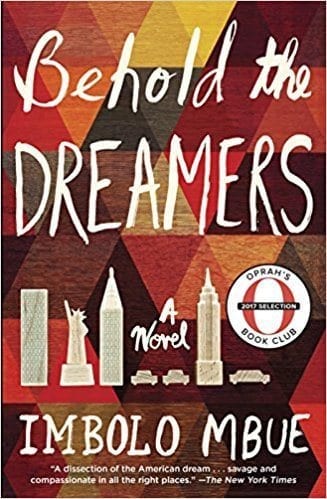
My First Book: Behold the Dreamers by Imbolo Mbue
For my first book, I chose Behold the Dreamers by Imbolo Mbue, who is from Cameroon. I’ve never read anything by a Cameroonian author before. This novel tells the story of a Cameroonian family trying to make it in New York City, when the 2008 financial crisis hits and their jobs and lives are thrown into turmoil.
It’s an all-around solid first pick, written by a woman of color and in a country that doesn’t get a lot of international press. My only hesitancy is that it takes place outside the author’s home country, but I know I’ll be reading plenty others this year that do take place in their home country.
(Update: started AND finished it on January 1. Woohoo!)

How to Read More Often
People often ask me how I’m able to read so much (72 books in 2017 alone!). Honestly, much of that comes down to my privilege. I’m self-employed, make my own hours, travel a ton, don’t have kids, and live in Manhattan so I get around on public transit. But there are ways to add more reading into your life, even if you don’t have a lot of time or money to spare.
Join your library and get a library card. All the books you want to read, all for free. Also, did you know you can borrow digital books nowadays? When I lived in suburban Massachusetts, I was able to borrow digitally from my hometown library, libraries in surrounding towns, and the Boston Public Library. That’s a lot of options!
Get a Kindle and bring it everywhere. This is the biggest factor in why I read so much. Break out your Kindle whenever you’re in line at the supermarket, having a coffee at a cafe, or riding public transportation. I always read my Kindle while getting my nails done because it only requires a quick tap to turn the page.
Replace phone time with reading time. You’re probably spending more time than necessary on Facebook or Instagram — when you get the urge to scroll through social media, crack open a book instead.
Have a ritual before you go to bed. Reading for thirty minutes is a great way to get your body relaxed before sleeping.
Set a good example for your kids. If you’re a parent, instilling a love of reading is one of the best things you can do for your children. Read to them every day. Go on library trips together. But it’s also important to let them see you reading for pleasure.
What category are you going to do for this challenge?
The post This Year, Join Me in a 12-Book Reading Challenge appeared first on Adventurous Kate.

from Adventurous Kate http://www.adventurouskate.com/year-join-12-book-reading-challenge/